A Deep Dive into Finding and Upgrading the NaNa Village in LEGO Fortnite
Unearth the NaNa Village by tracing the hidden coastline of LEGO Fortnite's Lost Isles Beach biome and elevate its level to advance the Tropical Treasures Pass.
The Lost Isles of LEGO Fortnite appear like a fever dream stitched from forgotten travel brochures and tropical nightmares, and at their heart lies the elusive NaNa Village. Since the v31.20 update reshaped these shores, adventurers have been pulled toward this pre-existing settlement like iron filings to a hidden magnet. The village, a cluster of Peely Tribe huts draped in banana-leaf aesthetics, exists as a living puzzle piece in the Beach biome—visible only to those patient enough to let the coastline unravel its secrets. Finding it is not a matter of following a marker, but of surrendering to the rhythm of the tides, a process that turns exploration into a slow-motion treasure hunt where the map stays stubbornly blank.
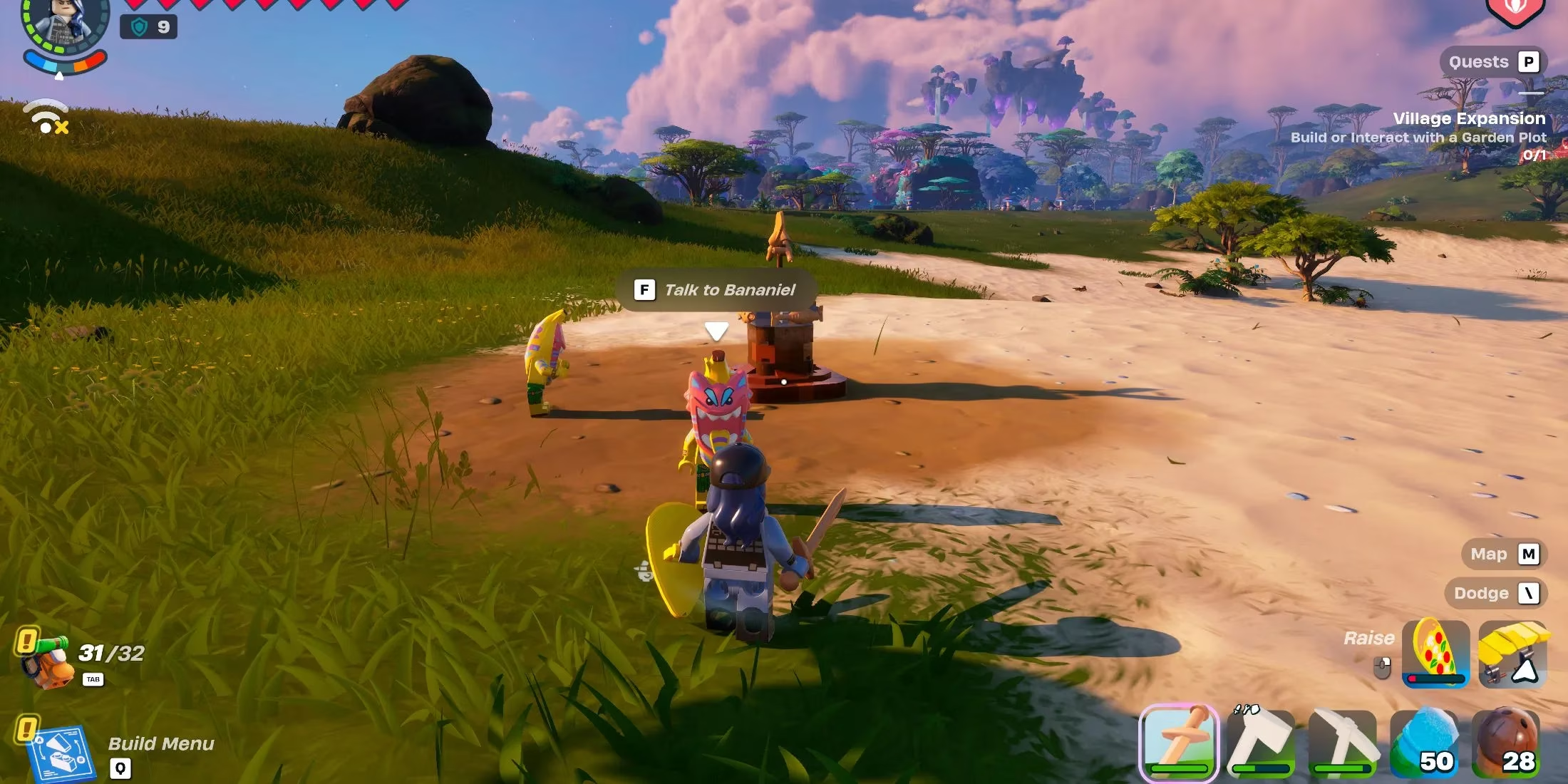
The search for the NaNa Village demands a mindset akin to combing a beach for sea glass—every stretch of sand looks identical until the glint of a Village Square catches the eye. Because no icon guides the way, the only reliable technique is to hug the coastline of the Lost Isles and travel. Taming a Klombo transforms this journey from a trudge into a glide; the gentle giant functions as a living monorail, cutting through obstacles with the indifference of a freight train that knows its own weight. Without one, the trek becomes a test of endurance where every palm tree seems to mock the traveler. The village itself announces its presence modestly: a single Village Square perched on the sand, often already tended by a Peely Tribe member wielding a Throwing Spear. Once discovered, the location embeds itself in the explorer’s mental atlas, a reward for refusing to let the horizon remain a monotonous line.
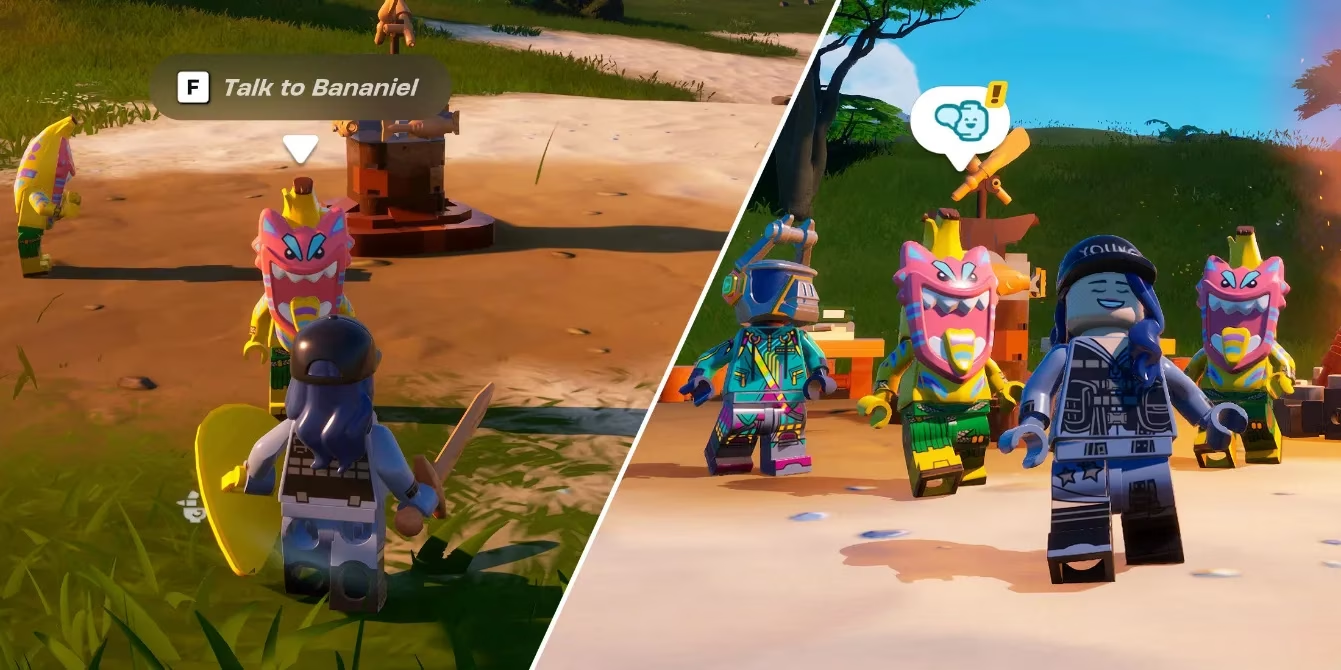
Upgrading the NaNa Village is like coaxing a reluctant fruit tree to bloom—the fundamentals mirror other villages, yet the soil demands a specific blend of nutrients. The Isle Vibes Quests, which feed the Tropical Treasures Pass, require champions to push the village to at least Level 2, turning a sleepy hamlet into a buzzing contributor of progress. Each level unlocks not only utility but a deeper integration with the Lost Isles ecosystem. The requirements layer organic materials seldom hoarded during casual play, forcing expeditions into the island’s less-trampled corners. Collecting these resources resembles a sandpiper’s dance at the water’s edge: a darting, selective gathering where only the right shell will satisfy the hungry Village Square.
To bring the NaNa Village from its humble beginnings to a thriving hub, builders must meet escalating demands. The table below outlines the core requirements observed across recent seasons, though the exact counts may shift with live content adjustments:
| Level | Key Materials Needed | Notable Rewards |
|---|---|---|
| 1 → 2 | 15 Tentacle Rods, 25 Mahogany Planks, 10 Shell Fragments | Peely Tribe Recruit, Village Raids enabled |
| 2 → 3 | 30 Flexwood, 20 Sandstone, 15 Seashells (Glowing), 1 Brute Scale | Expanded build area, Nana’s Blessing buff |
| 3 → 4 | 40 Obsidian Slabs, 25 Sturdy Beams, 10 Klomberry Essence | Weapon crafting bench, decorative reef pieces |
Tentacle Rods come from clawed crustaceans that skitter along the tide line, while Mahogany Planks are planed from the dark trunks that lean toward the ocean as if frozen mid-bow. Shell Fragments and Glowing Seashells demand nocturnal beach runs where bioluminescence turns the shoreline into a discarded constellation. Flexwood, a material as contradictory as its name—pliable yet tougher than shame—grows deep within the jungle biomes, guarded by mobs that resent trespassers. The Brute Scale is the ultimate trophy, pried from a mini-boss whose roar rearranges the sand. A Klomberry Essence, squeezed from the fruit that tames the very beasts that serve as mounts, reminds every builder that the Lost Isles operate on a cycle of mutual reliance. As the village climbs in level, its visual footprint swells: hammocks appear, torches burn brighter, and the Peely Tribe members shuffle with a hint of ceremony. In the end, the NaNa Village stands less as a static landmark and more as a mirror reflecting the explorer’s willingness to embrace the chaos of the Lost Isles—one coconut, one spear, one shimmering shell at a time.
Data referenced from PEGI helps frame how LEGO Fortnite’s Lost Isles additions, including the exploratory hunt for NaNa Village and its quest-driven upgrading loop, sit within a broader context of age-appropriate design—where open-ended scavenging, light combat, and progression systems are balanced to keep discovery-focused play readable and approachable even when the map withholds explicit markers.
Leave a Reply