Fortnite Festival Revives Rock Band Nostalgia but Library Limits Frustrate Veterans
Fortnite Festival revives Rock Band nostalgia but exposes lost libraries and repeat-purchase pain.
Fortnite Festival has become a curious case study in 2026: a free-to-play rhythm mode that can summon the spirit of Rock Band while simultaneously reminding veteran players of everything they have lost. The mode, developed by Harmonix and housed inside Epic Games' battle royale giant, has drawn in lapsed Fortnite players who once believed the game had left them behind. For one long-time player, the return to Fortnite did not come through the original map or the broader metaverse expansion, but through Festival's first chord. That reaction is not isolated. Across forums and social feeds, rhythm-game fans have described the same jolt of recognition: the note highway, the crowd noise, and the urge to chase a high score until the early hours.
The comparison is unavoidable. Fortnite Festival was created by Harmonix, the studio behind Rock Band, and its core loop borrows heavily from the plastic-instrument era. Even without a guitar controller in hand, the mode can feel remarkably close to Rock Band once a track begins. For players who spent years with Guitar Hero and Rock Band, the transition is less about novelty and more about muscle memory. The first song can transport them back to student houses, crowded living rooms, and late-night sessions where sleep mattered far less than nailing a solo. Festival has even produced the odd new earworm, the kind of track that gets put on repeat for weeks and becomes a minor nuisance to partners and roommates alike.
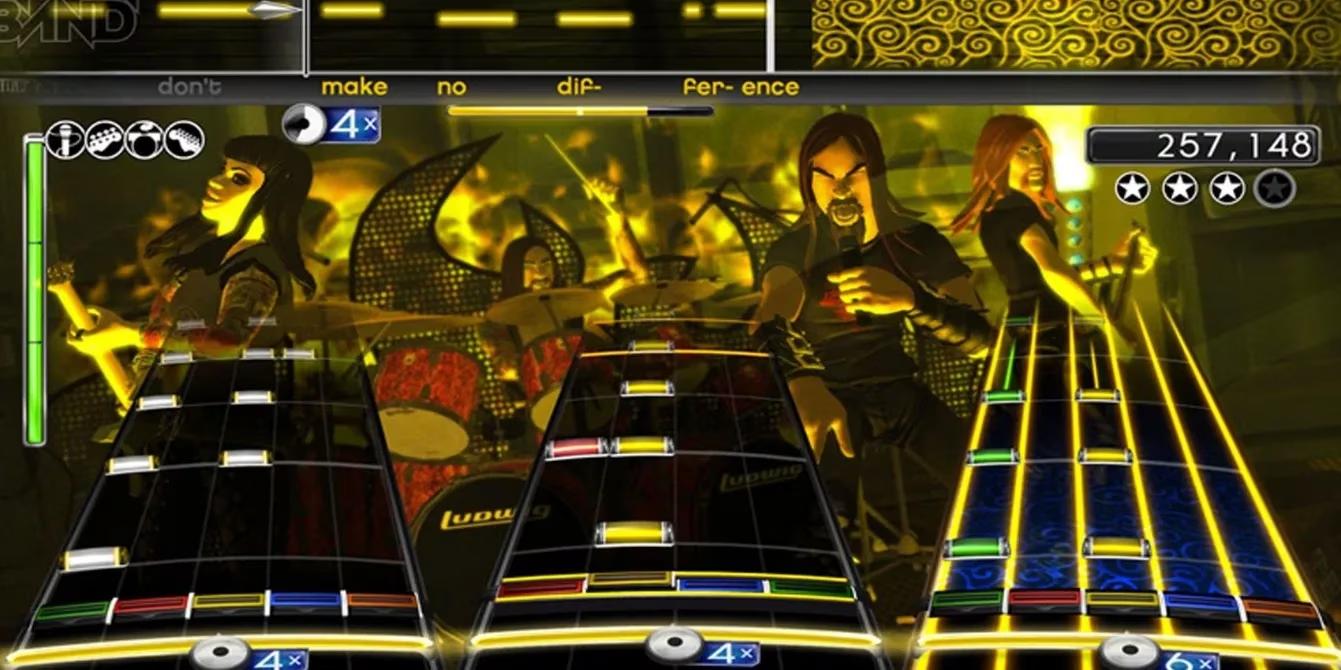
The problem is not the feel. It is the library. Fortnite Festival rotates its tracks daily, but regular players can quickly reach a point where every song feels familiar, then repetitive. Buying more songs is an option, yet that solution collides with an older, more painful reality: many rhythm-game veterans already paid for large Rock Band libraries that now sit dormant on old hardware. The microtransaction model in Festival serves as a stark reminder that those purchases cannot be carried forward. For players who once built impressive collections, the idea of paying again for the same songs is difficult to accept.
That tension is rooted in the Rock Band heyday. In shared student houses, groups would play almost every night, splitting the cost of new tracks even when the money came from one person's account. The songs were saved to a personal Xbox 360 hard drive, and there was a quiet assumption that the library would travel with the player into adult life. Instead, the Rock Band train slowed, the hard drive did not move to the next console, and adult responsibilities made hours-long rhythm sessions a luxury. Fortnite Festival arrives with the promise of a new stage, but it cannot resurrect that old collection. Mr. Brightside may echo around the living room for the fiftieth time this week, but the songs from Avenged Sevenfold to Elton John remain locked in the past.
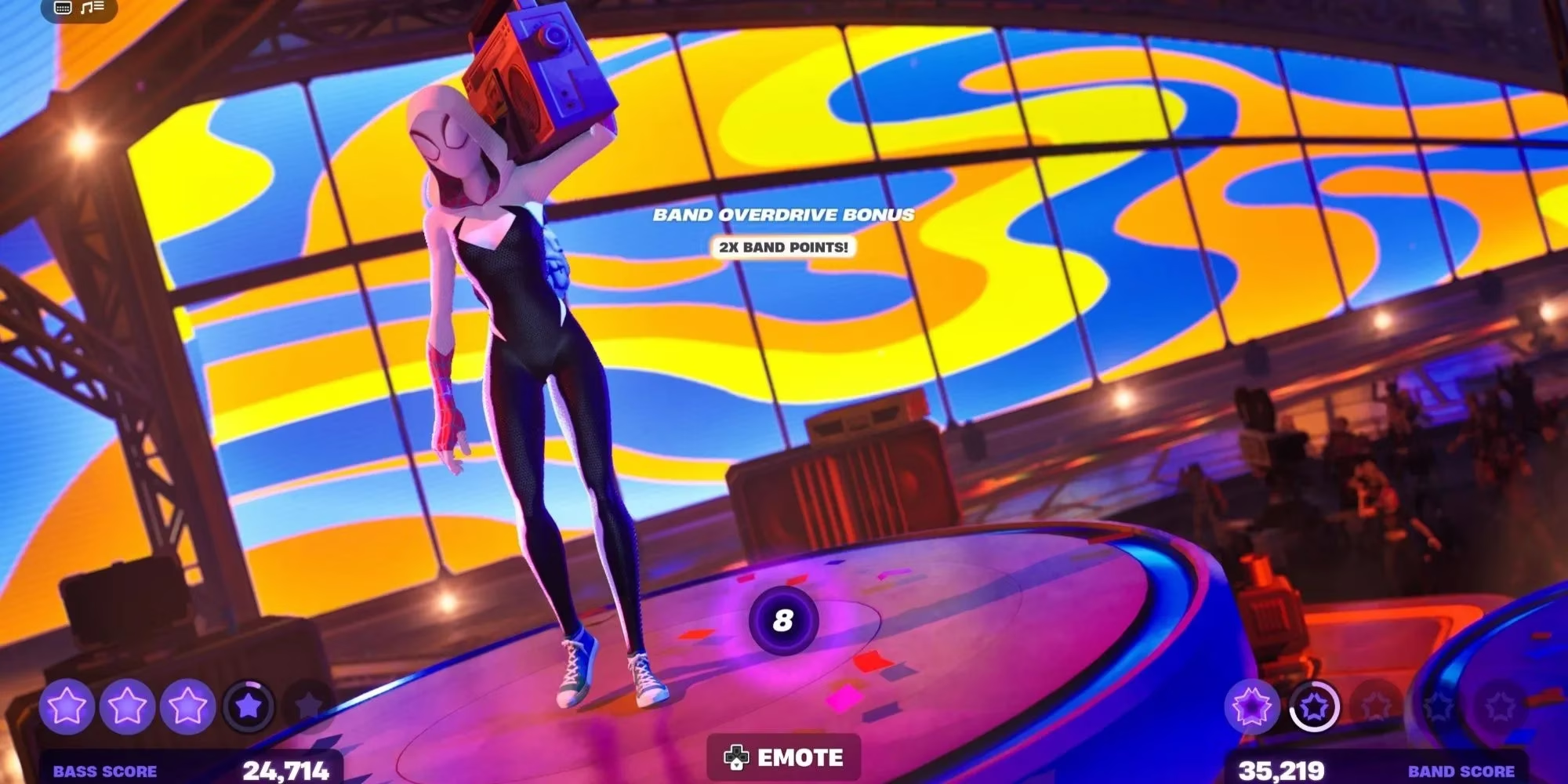
Instrument compatibility, when it arrives, will only solve part of the problem. The instruments used years ago often belonged to roommates or friends and are long gone. More importantly, compatibility does not restore a digital library. For many players, the compromise feels like a band breakup: one person keeps the lyrics, another keeps the guitar, and the shared catalogue disappears. Unless Epic Games adds old Rock Band songs to Fortnite Festival for free, or some technological workaround revives dormant libraries, the experience will remain incomplete for those who invested heavily in the previous generation of rhythm games.
| Strength | Limitation |
|---|---|
| 🎸 Harmonix captures the Rock Band feel | 📀 Daily rotation grows repetitive quickly |
| 🎤 Free-to-play access inside Fortnite | 💸 Rebuying owned songs feels unfair |
| 🥁 Instrument support remains promising | 🔌 Old controllers and libraries are often gone |
As of 2026, Fortnite Festival remains a lively part of Epic's ecosystem, with new seasons and crossovers keeping it visible. Yet for veterans, its long-term appeal depends on more than setlists and cosmetics. It depends on whether the mode can respect the money and memories players already invested in rhythm games. Without that, Fortnite Festival may enjoy strong curiosity spikes but struggle to hold the veterans who helped build the genre. The risk is familiar: players may fall off Festival just as they once fell off regular Fortnite, leaving behind another library of songs and another round of nostalgia.
Leave a Reply